Removal Company in St Johns Wood
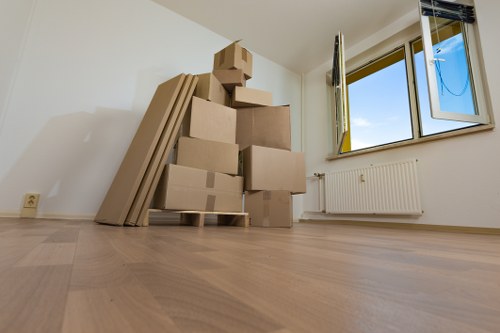
Our removal company in St Johns Wood provides house, flat and office moving support for customers who want a careful, organised move handled with clear planning. We focus on the practical work that makes relocation run smoothly: lifting, loading, transport, positioning and the sensible handling of items that need extra attention. If you are moving within the area or heading elsewhere in London, our service is built around straightforward arrangements and a finish that leaves each stage properly managed.
We cover a broad range of domestic and business removals, from smaller local moves to fuller property clearances where the packing and lifting need more structure. Furniture, boxed belongings, office equipment and mixed household items can all be handled as part of one coordinated move, and we can shape the service around access, item type and timing. If you are comparing options, speak to us for a quotation and use the detail on this page to see where our support fits.
For anyone planning a move, the first step is usually to decide what needs to travel, what should be packed separately and which pieces may require dismantling or protective wrapping. That simple sort-out helps the move run in the right order. You can also ask about collection and delivery only, or a fuller service that includes loading and unloading. Pricing and quotes can help when you want to understand the main factors before you make contact.
House and flat removals
Domestic removals are often a matter of timing, access and sensible handling rather than pure distance. We manage the practical side of moving household contents from one address to another, whether the property is a larger house, a compact flat or a home with difficult stair access. The goal is to move furniture and boxes in an orderly way, protect items during loading and keep the process clear for the people involved.
In many homes, a move works best when the heavier furniture is dealt with first and the smaller items follow in a planned sequence. Sofas, beds, wardrobes, tables and storage units may need to be moved carefully through hallways, around corners or down shared stairs. When needed, we can also handle the removal of items that are awkward to carry as a single piece, so the work is better suited to the property layout and the scale of the move.
If you are arranging a broader domestic move, the pages on home moves and house removals set out related services that sit alongside our core moving work. We also support smaller property moves where the load is lighter but still needs careful transport, and flat removals is useful when apartment access, stairs or limited parking are part of the plan.
Preparing your move

A well-prepared removal begins with a sensible list of what will be moved and how fragile each item is. That does not mean you need a rigid inventory for every box, but it does help to separate essentials from larger furniture and to identify pieces that may need particular attention. If you are using our service for a home or office move, the clearer the picture of the load, the easier it is to plan space, handling and sequence.
Access details also matter. Stairs, lifts, parking arrangements, narrow entrances and the distance between the property and the vehicle can all affect how the work is approached. Sharing those points early makes it easier to choose the right size of vehicle and the right amount of loading support. Contact us when you are ready to request a quotation or to discuss the practical details of your move.
Where packing support is useful, we can discuss whether you need help with wrapping, carton supply or a more structured packing service. The linked pages on packing and boxes and packing and unpacking services describe the type of assistance that can sit around the move itself. If you prefer to pack independently, a straightforward moving arrangement may be enough; if not, a fuller service can reduce the amount of manual work you need to do beforehand.
Furniture and item handling
Large furniture and individual bulky items often require more than simple carrying. They may need to be protected at the edges, turned safely through tight spaces or broken down before moving and rebuilt at the destination. Our furniture moving work is designed to keep those pieces manageable and to reduce unnecessary strain on both the property and the items themselves. The same approach helps when a move includes only a few substantial objects rather than a full house load.
Some customers need help with a single delivery or collection rather than a full relocation. In those cases, furniture transport can be arranged around the item size and the destination. We can also support moves where one or two pieces need to be taken away as part of a wider clear-out, especially when the rest of the contents are staying in place. For that kind of work, furniture removals is a relevant service page, while furniture pick-up is useful for collection-only arrangements.
Careful handling matters just as much for modern flat-pack pieces as it does for older solid wood items. A simple move can still benefit from padding, sensible stacking and a loading plan that keeps awkward shapes separate from fragile goods. If your items include a piano or another specialist object, the dedicated piano removals page covers a more specific type of transport that may require extra planning.
Office and commercial removals
Business moves need to be organised around equipment, working hours and the order in which items can safely leave one location and arrive at another. We handle office removals with an eye on desks, chairs, filing, boxed archive material and general office contents that need to be transferred without creating avoidable confusion. A commercial move can be small, but it still benefits from a clear sequence and a transport plan that matches the premises.
Where the work involves several desks or a larger workplace, it helps to separate the items that must be accessible immediately from those that can stay packed until the new space is ready. That is especially useful for computers, monitors, paperwork and small office fixtures. If your move is more than a direct point-to-point transfer, the page on office removals outlines that service, while office relocation services is relevant when the move is part of a wider workplace change.
For larger or more mixed business movements, we can also discuss the transport side of a commercial move, including vehicle size and loading order. The linked commercial moves page is appropriate when you are moving business property rather than domestic contents, and it sits alongside removal services for customers who want a broader overview of what we offer across different move types.
Small moves, collections and flexible transport

Not every job is a full property removal. Sometimes the right solution is a smaller transport arrangement for a sofa, a few cartons, a bed frame or a handful of items collected from one place and delivered to another. Flexible removal work is helpful when you do not need a large team or a long timetable, but still want items lifted, carried and delivered without unnecessary hassle. In those cases, the emphasis is on sensible loading and reliable movement rather than scale.
Our man and van and man with van pages cover lighter moving options where a compact load and a practical vehicle are enough. When the job is best approached with a dedicated transport vehicle, removal van and moving truck explain the vehicle side of the service, while removal truck hire can be helpful if you are comparing movement and vehicle-based solutions.
If you are unsure which service fits your move, keep the description simple: what is being moved, where it is going and whether there are stairs or access constraints. That information is usually enough to judge whether a small-load service, a fuller removal or a more specialised collection is the better choice. You can then ask for a quotation based on the actual work needed rather than a generic estimate.
About St Johns Wood
St Johns Wood is an affluent north-west London district in the City of Westminster, known for its residential streets, garden squares and strong links with nineteenth-century suburban development. Much of the area’s modern character emerged as the Portland Estate was laid out and promoted during the Victorian period, turning former open land into planned streets of villas and terraces. The district sits close to Regent’s Park and shares boundaries with Marylebone, Maida Vale and Swiss Cottage, giving it a distinctive position between central London and the boroughs to the north-west. The area’s name is usually written without an apostrophe, reflecting long-established usage rather than any formal modern style rule.
One of the best-known landmarks is Lord’s Cricket Ground, often described as the home of cricket, which has been associated with the Marylebone Cricket Club since the nineteenth century and remains a major sporting venue. Nearby, Abbey Road is internationally recognisable because of the recording studios and the zebra crossing linked with the Beatles. The district also contains a mix of later residential architecture, small local shopping streets and quiet tree-lined roads that give it a calmer feel than many adjoining parts of inner London. Open space is close at hand through Regent’s Park, while the canal network and broader parkland of north-west London are part of the wider urban landscape. Taken together, these features make St Johns Wood a neighbourhood with a strong residential identity, established institutions and a layered history of urban planning, sport, music and everyday city life.
Planning, access and quoting
When a move is straightforward, a quotation can often be shaped around the size of the load, the number of bulky items and the access at each end. A good enquiry usually includes the basic route, the type of property and whether anything is especially heavy, fragile or awkward to move. That information helps the service be matched to the job rather than overloaded with assumptions, and it makes it easier to compare options fairly.
For some customers, the most useful decision is whether to combine moving with packing or storage. The storage page is relevant when items need to be held for a period between properties, and it can sit alongside the move itself. If you are reviewing how costs are put together, pricing and quotes remains the best place to start, while removals gives a broader overview of the main moving service family we provide.
Get in touch when you are ready to request a quotation. If you already know the main items and dates, we can move the conversation on quickly; if not, a brief outline is still enough to begin.
Additional service options

Some moves need one or two extra elements to make the day run properly. That might include packing support, protection for delicate items, help moving furniture into storage or a second-stage delivery after a property handover. The right combination depends on the contents and on how much of the job you want handled in one visit. The important point is that the service can be shaped around the move rather than forcing everything into the same pattern.
Where you need a more tailored approach, the pages on same-day removals and student removals show further service directions, though the best choice always depends on the load and the timetable. If you are moving only selected items, house removalists may also be relevant as part of a domestic moving arrangement with a more hands-on approach to loading and delivery.
For customers who are comparing service details, it is sensible to think in terms of the work itself: how many rooms are involved, what needs dismantling, whether access is tight and whether any items should be moved separately. Those factors tell you more than a broad label alone and help keep the move practical from the start.
Safety, care and responsible disposal

Safe handling is central to any removal job. Heavy lifts, fragile surfaces and awkward stairways all call for the right order of work and the right level of care. We also recognise that moving sometimes overlaps with sorting, which may involve deciding which items are being kept, stored, passed on or no longer needed. When that happens, the removal plan should still remain orderly, with clear separation between the goods that are travelling and anything that is being left behind.
If you need information on standards and related policies, the pages on health and safety policy and insurance and safety provide the relevant supporting material. For customers who are thinking about the environmental side of moving and disposal, recycling and sustainability is the page to review. These details sit alongside the practical service and help give a fuller picture of how the work is approached.
Ask for a quotation when you have your moving date, the collection and delivery details and an idea of the main items involved. A clear enquiry makes it easier to recommend the right removal support, and it helps you plan the move with fewer surprises on the day.